In today’s dynamic marketplace, sourcing the best snack products requires keen insight and strategic foresight. Businesses face the challenge of identifying unique flavors and trends that appeal to diverse consumer preferences. Snack products are not just food items; they represent culture, innovation, and lifestyle.
Global sourcing can be daunting. Companies must navigate various regulations and tastes across regions. A deep understanding of local markets enhances the ability to identify potential. This process can reveal hidden gems and innovative snack products that meet consumer demands.
Building relationships with reliable suppliers is critical. It fosters trust and ensures product quality. Nevertheless, businesses must remain vigilant about sourcing practices. A poorly chosen supplier can harm reputation and sales. Balancing quality with cost is an ongoing challenge that requires reflection and refinement. The quest for the best snack products is ever-evolving, necessitating continuous learning and adaptation.

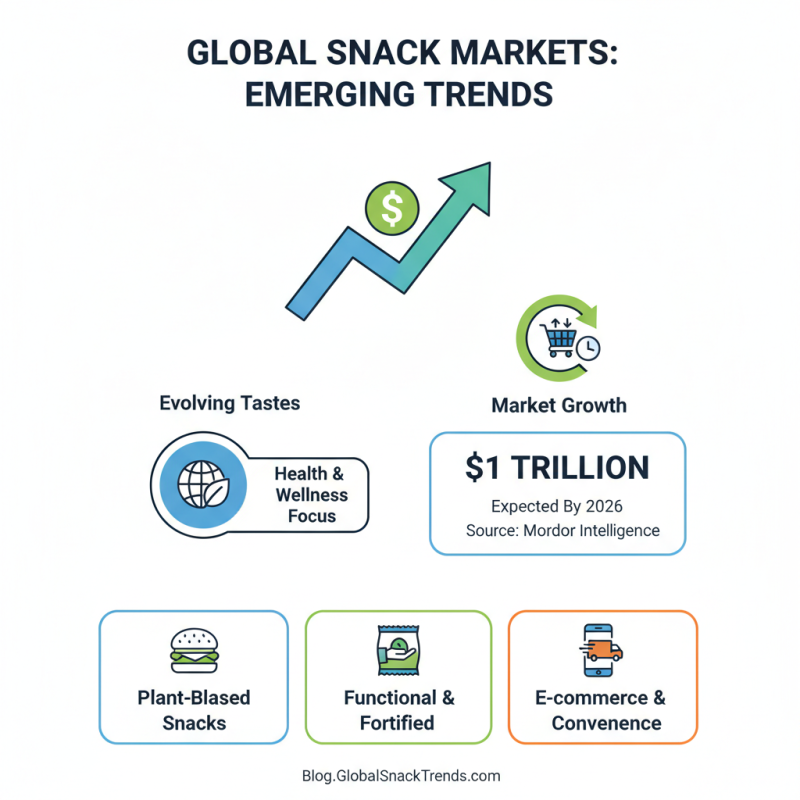
The global snack market is evolving rapidly, driven by changing consumer tastes and health consciousness. According to a report by Mordor Intelligence, the global snack food market is expected to reach $1 trillion by 2026. This presents significant opportunities for businesses looking to tap into emerging trends.
Plant-based snacks are gaining traction, appealing to health-focused consumers. A study from Grand View Research indicates that the plant-based snack market could grow by over 25% annually. Consumers are increasingly seeking alternatives that do not compromise on flavor. However, sourcing the right ingredients can be challenging, and companies must conduct thorough research to identify reliable suppliers.
Another trend is the demand for nutritious snacks. The increasing awareness of the importance of a balanced diet drives this growth. Nielsen reports that 40% of consumers read nutrition labels before purchase. This data suggests businesses need transparent ingredient sourcing. Achieving this level of transparency can be complex and requires collaboration with trustworthy partners. Companies should strive for constant improvement in sourcing practices while staying adaptable to market changes.
When exploring snack categories globally, diversity is key. Different cultures bring unique flavors and textures to the snack game. For example, in Southeast Asia, you can find rice-based crisps, while Latin America boasts spicy, crunchy tortillas. These differences reflect local ingredients and traditions, making each snack a storytelling piece.
Researching these categories involves understanding what resonates with people. Tastes vary widely. For instance, some prefer sweet snacks, while others lean toward savory. It’s important to consider these preferences when sourcing snacks. Engaging with local markets helps in identifying trending flavors. Visiting food fairs and local shops can reveal hidden gems.
However, sourcing globally also has its challenges. Regulatory issues may arise, and logistics can complicate distribution. Constantly evaluating the quality of snacks is crucial. Keep testing new products and gathering feedback from consumers. This iterative process helps refine choices. Remember, the world of snacks is vast, and there's always something new to discover.
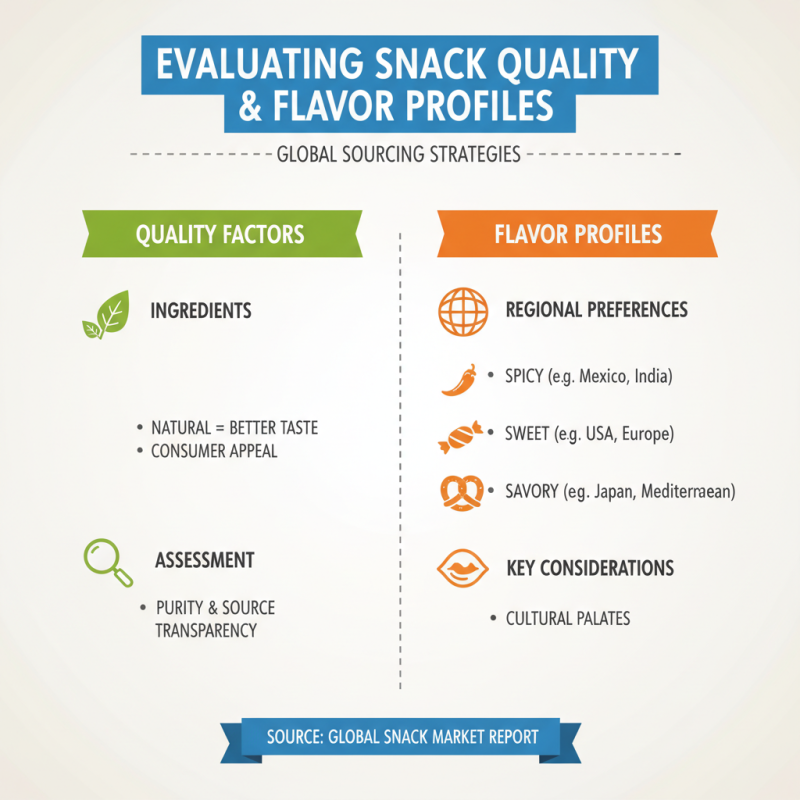
When sourcing snack products globally, evaluating their quality and flavor profiles is crucial. Quality often hinges on the ingredients used. Natural ingredients generally taste better and appeal more to consumers. When assessing flavor profiles, it’s essential to consider regional preferences. For example, some cultures may favor spicy snacks, while others may prefer sweet or savory options.
Conducting taste tests with a diverse group can reveal much about a product's appeal. This approach can provide insights that metrics alone cannot. Quality assurance tests, such as examining shelf life and ingredient sourcing, are equally important. They ensure that the products not only taste good but also meet safety standards.
Sometimes, the best flavors come from unexpected combinations. Exploring local markets can uncover unique options that larger brands overlook. However, it's vital to stay open-minded about the flavors and textures that may not align with mainstream expectations. There’s always room for experimentation and adjustment based on consumer feedback. This iterative process is key in discovering what resonates with your target audience.
Building strong relationships with international snack suppliers is crucial. The global snack market is vast and varied. It offers unique flavors and innovative products. But, establishing trust with suppliers takes time. Communication is key to understanding their capabilities and constraints.
Meeting suppliers in person can help. Visiting local markets provides insights into regional preferences. Engaging with team members helps to build rapport. Report back with observations from your market visits. This feedback fosters a collaborative environment. Regular check-ins can sustain your partnership over time.
Sometimes, things may not go as planned. A supplier might not meet a deadline. Ingredients can get delayed in transit. Reflection on these challenges leads to stronger processes. Adaptability becomes essential. In the end, a successful partnership relies on mutual understanding and shared goals.
Navigating regulatory compliance is crucial for global snack sourcing. Different regions impose unique laws. Understanding these regulations can mitigate risks and enhance product quality. For instance, the global food safety market is projected to reach $22.6 billion by 2026, reflecting increased scrutiny on food safety standards.
Complying with standards set forth by organizations such as the FDA and EFSA is essential. Importing snacks into the European Union requires adherence to strict labeling and safety guidelines. Non-compliance can lead to product recalls, negative brand reputation, and legal consequences. It's vital to maintain a strong grasp of these requirements.
Emerging markets present unique challenges. Regulatory frameworks can be inconsistent and often change. For example, in Southeast Asia, varying import tariffs can affect pricing strategies. Brands must invest time to understand local compliance landscapes. This is not just an operational necessity; it can also be an opportunity for differentiation. Awareness of these factors is integral to successful global snack sourcing.
| Region | Snack Category | Popular Ingredients | Key Regulations | Compliance Certification |
|---|---|---|---|---|
| North America | Chips | Corn, Potatoes, Seasonings | FDA Food Safety Modernization Act | HACCP |
| Europe | Gummies | Gelatin, Sugar, Citric Acid | EU Food Information Regulation | ISO 22000 |
| Asia | Rice Snacks | Rice, Seaweed, Seasonings | Food Safety Law of China | GMP |
| South America | Nuts | Almonds, Cashews, Salts | Brazilian Nutritional Labeling Regulations | IFS Food |