Skip to content

Top Healthy Snack Ideas for a Balanced Diet?

In today’s fast-paced world, finding healthy snack options is crucial for maintaining a balanced diet. Many people struggle to make the right choices. A healthy snack can bridge the gap between meals and keep energy levels steady. Yet, convenience often leads us astray into unhealthy options.

Imagine reaching for a bag of chips instead of fresh fruit. This choice can impact your health negatively. The good news is that healthy snacks can be both delicious and satisfying. Simple ideas can transform how you think about snacking. Consider nuts or yogurt—both provide essential nutrients and keep hunger at bay.

Embracing healthy snacks requires a shift in mindset. It’s not just about eating less junk food. It’s about finding joy in wholesome choices. Experiment with different flavors and textures. The journey to healthy snacking is not always perfect, but every small change contributes to better health.
Top Healthy Snack Ideas for a Balanced Diet?

Understanding the Importance of Healthy Snacking

Healthy snacking plays a crucial role in maintaining a balanced diet. It can help manage hunger and prevent overeating during meals. When choosing snacks, opt for nutrient-dense options. Fruits, vegetables, nuts, and whole grains are excellent choices. They provide essential vitamins and minerals while satisfying cravings.

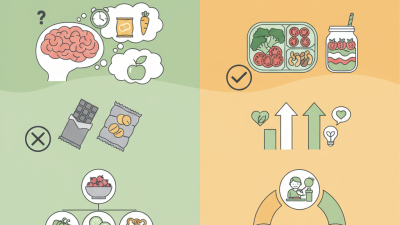
However, many people struggle with snacking mindlessly. It’s easy to reach for processed snacks, which are often high in sugar and unhealthy fats. Reflecting on your choices is important. Consider the nutritional value of your snacks. Can they nourish your body or just fill a void? Mindful snacking can make a big difference.

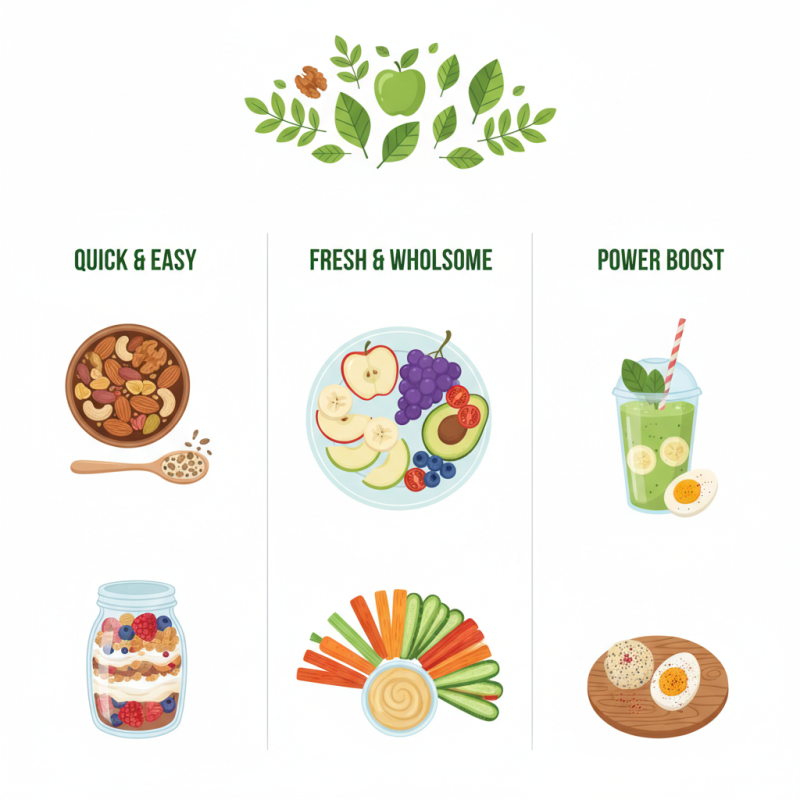
Incorporating healthy snacks into your routine requires planning. Prepare your snacks in advance to avoid poor choices. Simple options like sliced carrots with hummus or mixed nuts can be handy. They are convenient and promote better eating habits. Embracing this approach takes time, and it’s okay to have setbacks. The goal is to build a sustainable, healthy relationship with food.
Nutrient-Dense Ingredients to Include in Snacks

Top Healthy Snack Ideas for a Balanced Diet?

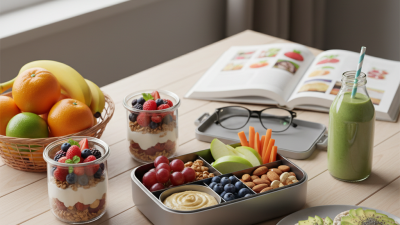
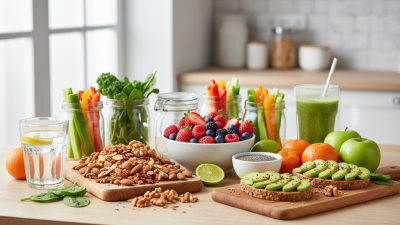
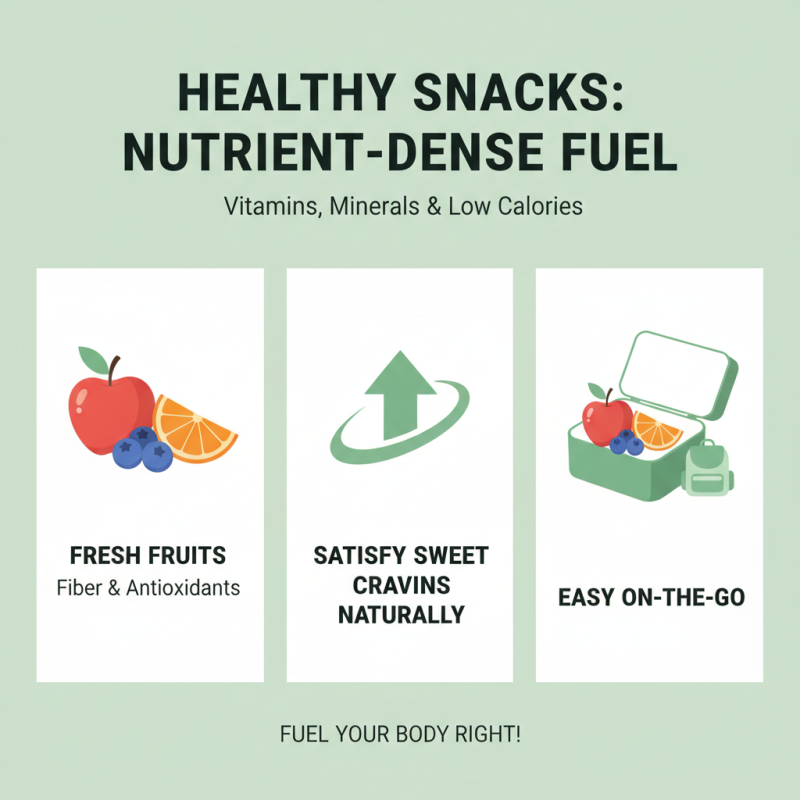
When looking for healthy snacks, it's vital to focus on nutrient-dense ingredients. These are foods packed with vitamins and minerals while being low in calories. Fresh fruits are excellent snack options. Apples, berries, and oranges provide fiber and antioxidants. They can satisfy sweet cravings naturally. Plus, they are easy to take on the go.

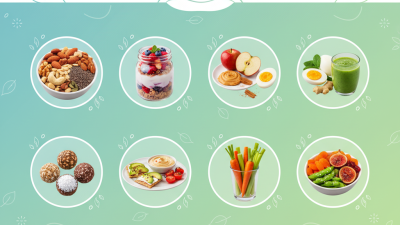
Nuts and seeds also make for great snacks. Almonds and chia seeds are rich in protein and healthy fats. A handful can keep you satisfied between meals. You can even make energy bites by mixing nuts with dates or oats. Yogurt, especially Greek yogurt, is another nutrient-rich choice. It's creamy and full of probiotics. Adding some honey or fruit can enhance its flavor, making it a tasty yet healthy option. However, portion sizes matter here; it’s easy to eat too much.

Vegetables are often overlooked as snacks. Carrot sticks, bell pepper slices, and cucumber strips are crunchy and refreshing. Pairing them with hummus or guacamole adds healthy fats and flavor. It's a great way to incorporate more veggies into your diet. However, many find it challenging to stick to these healthier options. It's okay to indulge occasionally. Balance is key in maintaining a healthy lifestyle.

Creative and Delicious Snack Combinations

Snacking can be both fun and healthy. Combining different flavors often makes for a delightful twist. Consider a mix of Greek yogurt with fresh berries. This combo packs protein and antioxidants. It’s creamy, sweet, and refreshing. You can also add a sprinkle of nuts for crunch.

Another intriguing option is carrot sticks with hummus. The dip adds a savory touch, while the carrots provide a satisfying crunch. This pair is low in calories yet high in fiber. If you want something more adventurous, try apple slices with almond butter. The sweetness of the apple complements the nutty flavor well. However, portion control is vital with nut butters since they can be calorie-dense.

It’s easy to feel tempted by processed snacks. These can be quick and easy but often lack nutrition. Finding a balance is essential. Keep experimenting with different combinations. Discover what satisfies your cravings while nourishing your body. Stay open to new ideas and embrace the creativity of healthy snacking.

Portion Control and Mindful Eating for Snacks

Snacking can be part of a balanced diet when done mindfully. To maintain a healthy relationship with food, practicing portion control is vital. Instead of mindlessly munching from a large bag, use smaller bowls. This simple step can help manage the quantity you consume.


When choosing snacks, focus on whole foods. Fresh fruit, nuts, or yogurt can be satisfying. But remember, even healthy snacks should be eaten in moderation. A small handful of almonds is nutritious. Eating an entire bag may lead to excessive calories.


Mindful eating can enhance your snacking experience. Take a moment to appreciate the flavors and textures of your food. Avoid distractions like screens. This can help you feel more satisfied with less. Sometimes, it's easy to overlook feelings of fullness. Learn to listen to your body signals and reflect on your hunger.

Quick and Easy Healthy Snack Recipes to Try

Snacking can be a healthy part of your diet. Quick recipes save time and enhance nutrition. Incorporating nuts, fruits, and yogurt into your snacks can boost energy and mood. According to a report from the Academy of Nutrition and Dietetics, a balanced snack can improve overall wellness by stabilizing blood sugar levels.

Try making a simple fruit parfait. Layer yogurt with berries and a sprinkle of granola. This dish is visually appealing and packs a punch of vitamins and minerals. You can prepare it in under five minutes. The colorful layers encourage creativity and presentation.

Tips: Look for seasonal fruits. They are often fresher and more flavorful.

Another idea is making a savory snack: hummus with veggie sticks. Hummus offers protein, while carrots and celery add crunch. The fiber in vegetables promotes digestion. A study published by the Journal of Nutrition found that eating more fiber can reduce the risk of chronic diseases.

Tips: Experiment with different dips. You might find a new favorite. Try adding spices to your hummus for a unique twist.

Back To Top