Best Gluten Free Snacks You Need to Try for Healthy Living
In recent years, the demand for gluten free snacks has surged, reflecting a growing awareness of dietary choices and health implications among consumers. According to a report by Grand View Research, the global gluten-free food market is expected to reach approximately $69.3 billion by 2027, driven by the increasing incidences of celiac disease and a rising preference for gluten-free diets even among those without gluten sensitivities. This trend highlights not only the challenges faced by individuals needing to avoid gluten but also the opportunities for innovative snacks that cater to these dietary needs.
As more people embrace healthy living, the market for gluten free snacks is evolving to include a diverse range of products that do not compromise on taste or nutrition. Consumer Reports indicates that 30% of Americans are actively trying to reduce their gluten intake, signaling a shift towards cleaner, healthier eating habits. In response, manufacturers are focusing on developing snacks that are both satisfying and beneficial to one's health, including options rich in protein, fiber, and essential vitamins. By exploring the best gluten free snacks available, individuals seeking to improve their diet can discover tasty and nutritious alternatives that align with their lifestyle choices.

Essential Nutritional Benefits of Gluten-Free Snacks
The rise in popularity of gluten-free diets has led to a significant increase in demand for gluten-free snacks that offer essential nutritional benefits. According to a report by the International Journal of Environmental Research and Public Health, gluten-free diets can enhance food choices by increasing the intake of whole foods such as fruits, vegetables, nuts, and seeds—flourishing sources of vitamins, minerals, and antioxidants. These nutrient-dense options help improve gut health and overall well-being, making gluten-free snacks a viable choice even for those without gluten sensitivities.
In addition, many gluten-free snacks are now fortified with essential nutrients that may be lacking in conventional snack options. The Gluten-Free Certification Organization reports that snacks made from alternative grains such as quinoa and buckwheat are often richer in protein, fiber, and essential fatty acids compared to traditional wheat-based snacks. This shift not only supports digestive health but can also promote sustained energy levels and a lower risk of chronic diseases. Embracing gluten-free snacks can thus be a strategic choice for individuals looking to enhance their dietary profile while enjoying tasty and satisfying options.
Best Gluten Free Snacks You Need to Try for Healthy Living
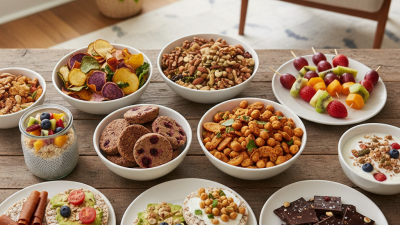
| Snack |
Nutritional Benefits |
Key Ingredients |
Serving Size |
| Almond Butter Dark Chocolate Bars |
Rich in protein and healthy fats |
Almond butter, dark chocolate, oats |
1 bar (40g) |
| Baked Chickpeas |
High in fiber and protein |
Chickpeas, olive oil, spices |
1 ounce (28g) |
| Vegetable Rice Cakes |
Low in calories, gluten-free |
Brown rice, sea salt, vegetable seasoning |
2 cakes (15g) |
| Coconut Chips |
Good source of healthy fats |
Coconut, sea salt, sugar |
1 ounce (28g) |
| Fruit and Nut Trail Mix |
Energy-boosting and nutrient-dense |
Mixed nuts, dried fruit, seeds |
1/4 cup (30g) |
Popular Gluten-Free Snack Options for Healthy Lifestyles
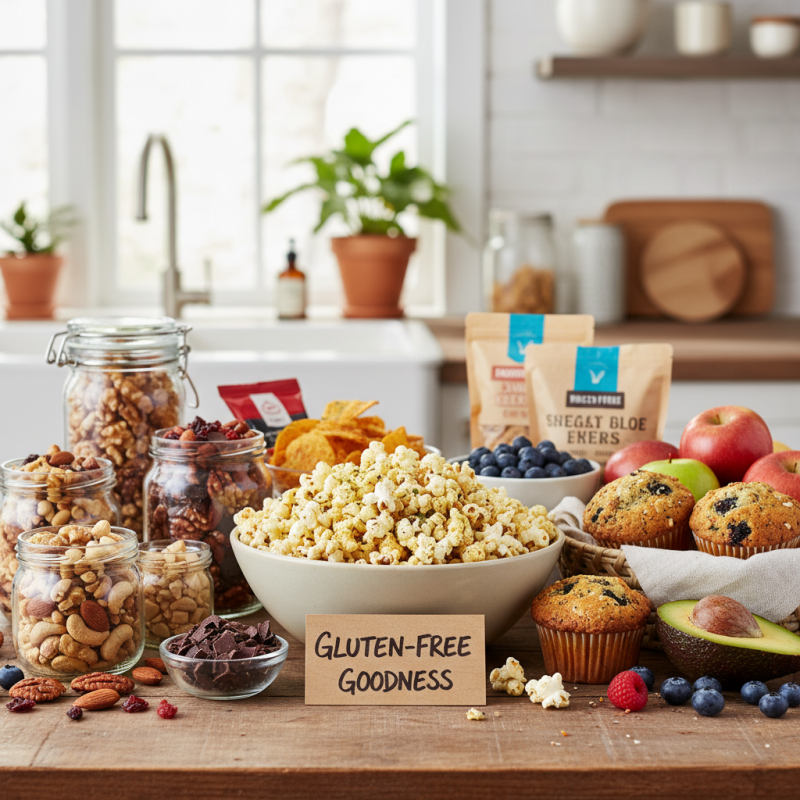
In recent years, the demand for gluten-free snacks has surged, reflecting a growing awareness of dietary preferences and health concerns. According to a report by Grand View Research, the global gluten-free snacks market is expected to reach $6.4 billion by 2025, driven by an increasing number of consumers adopting gluten-free diets for health benefits like reducing inflammation and improving digestion. Popular options include gluten-free popcorn, nut mixes, and baked goods made from alternative flours such as almond and coconut flour, all of which provide satisfying flavors without compromising health.
For those seeking healthy lifestyle choices, incorporating gluten-free snacks can be as simple as selecting nutrient-dense alternatives. Consider snacks high in protein and fiber, such as chickpea puffs or quinoa-based bars, which not only curb hunger but also offer essential vitamins and minerals. The American Journal of Clinical Nutrition highlights that high-fiber diets can promote better gut health and prevent chronic diseases, making these snacks specifically beneficial for health-conscious individuals.
Tips for choosing gluten-free snacks include checking for certified gluten-free labels to ensure they meet dietary restrictions and opting for snacks with minimal ingredients to avoid unnecessary additives. Additionally, incorporating whole foods like fresh fruit or vegetables with hummus into your snack rotation can boost nutrient intake while keeping gluten concerns at bay. Embracing these snack options not only supports a gluten-free lifestyle but also contributes to overall well-being.
Homemade Gluten-Free Snack Ideas for Creative Eating
When it comes to healthy living, gluten-free snacks can be both nourishing and delicious. Embracing homemade options not only helps you control ingredients but also allows for creative culinary expressions. Consider whipping up some savory chickpea snacks by roasting canned chickpeas with your favorite spices for a crunchy treat that's packed with protein. Alternatively, try making kale chips by tossing torn kale leaves with olive oil and seasoning before baking them until crispy. These simple yet satisfying snacks can easily include fresh ingredients, providing essential nutrients without the gluten.
Tips for making your own gluten-free snacks include measuring ingredients carefully to ensure the correct texture and flavor. Experiment with various seasonings for your snacks to discover unique flavor combinations that please your palate. Additionally, preparing snacks in batches can save time and ensure you always have a healthy option on hand when hunger strikes. Try storing your homemade creations in airtight containers to keep them fresh for longer, making snacking on-the-go a breeze.
Lastly, don’t shy away from incorporating fruits and vegetables into your snack repertoire. Consider blending fruits with yogurt to create smoothies or slicing apples and pairing them with almond butter for a quick energy boost. These creative ideas not only cater to your dietary needs but also transform snack time into a nourishing experience filled with flavor and fun.
Best Gluten Free Snacks You Need to Try
Tips for Choosing Quality Gluten-Free Snacks at the Store
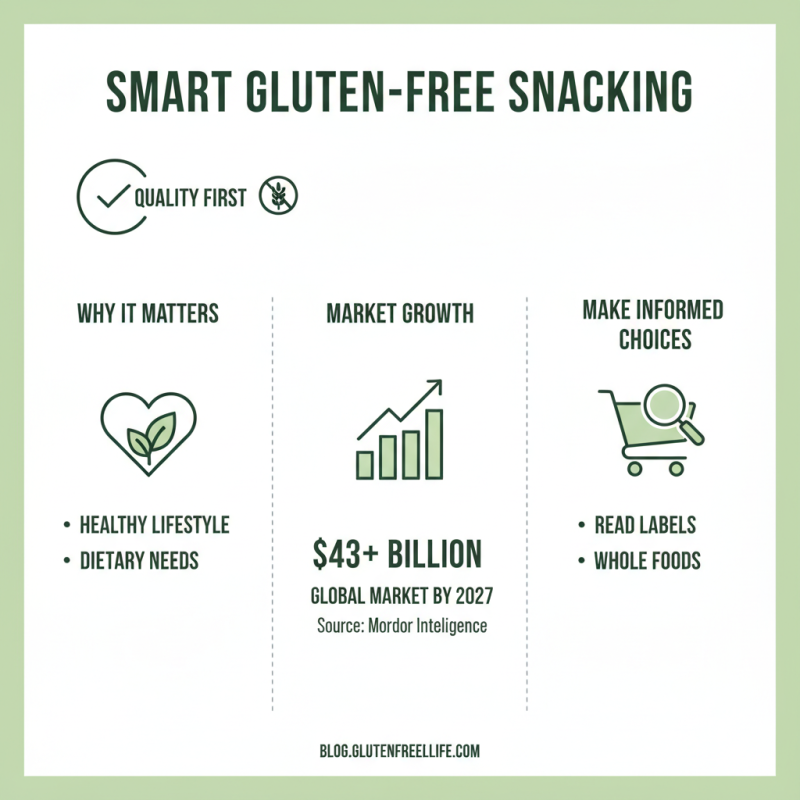
When selecting gluten-free snacks, it’s essential to prioritize quality to ensure a healthy lifestyle. The demand for gluten-free products has surged significantly, with the global market expected to reach over $43 billion by 2027, according to a report by Mordor Intelligence. This growing popularity emphasizes the need for consumers to make informed choices when shopping for snacks that fit their dietary restrictions.
**Tips for Choosing Quality Gluten-Free Snacks:**
1. **Read the Ingredient List:** Always check the ingredient list for hidden sources of gluten. Many snacks are labeled gluten-free but may still contain ingredients that cross-contaminate with gluten during processing. Look for products with simple, whole-food ingredients to maximize health benefits.
2. **Look for Certifications:** Choose snacks that carry a certified gluten-free label. The Gluten-Free Certification Organization (GFCO) requires products to contain less than 20 parts per million of gluten, which can help protect those with celiac disease and gluten sensitivities.
3. **Choose Whole Grains:** Opt for snacks made from whole grains like quinoa or brown rice, which not only provide fiber but also essential nutrients often lacking in processed gluten-free options. Data from the Gluten Intolerance Group shows that whole grains can offer significant health benefits, including better digestive health and reduced risk of chronic diseases.
By focusing on these tips, consumers can navigate the gluten-free snack market more effectively, ensuring that their dietary choices contribute positively to their overall health.
How to Incorporate Gluten-Free Snacks into Daily Meal Plans
Incorporating gluten-free snacks into daily meal plans can play a critical role in promoting a healthy lifestyle, especially for those with gluten sensitivities or celiac disease. According to a report by the Gluten Intolerance Group, approximately 1 in 100 individuals worldwide are affected by gluten-related disorders, highlighting the importance of accessible gluten-free options. The presence of gluten-free snacks not only helps those with dietary restrictions but also caters to a growing market seeking healthier alternatives.
To effectively embed gluten-free snacks into daily eating habits, consider integrating them into various meal occasions. For example, pairing gluten-free crackers with hummus or guacamole can serve as a nutritious pre-lunch snack, providing essential nutrients and maintaining energy levels. Furthermore, research from the National Institutes of Health indicates that a diet rich in whole foods, including fruits, vegetables, and nuts, can enhance overall wellness. Therefore, incorporating gluten-free snacks made from these ingredients can contribute significantly to daily nutrient intake while ensuring they remain tasty and satisfying.
When planning meals, setting aside time for snack preparation is essential. Having gluten-free options readily available encourages healthier snacking habits. Meal-prepping gluten-free energy balls or trail mix made with seeds and dried fruits can be a game-changer. By providing convenient alternatives that align with dietary needs, individuals can successfully sustain a balanced diet while enjoying the tasty benefits of gluten-free snacking.