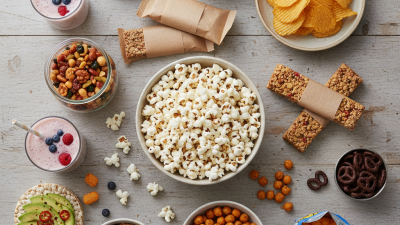
Choosing healthy snacks to get through your day is essential for maintaining energy and focus. According to recent reports, nearly 50% of adults struggle with energy dips in the afternoon. These moments can often lead to reaching for sugary or processed snacks, which can cause more harm than good. Instead, incorporating nutritious snacks can make a significant difference.
Healthy snacks to get through a busy day should be convenient and satisfying. Research shows that snacks made with whole foods can help sustain energy levels. These snacks often contain fiber, protein, and essential nutrients. For instance, almonds provide healthy fats and protein, while fruits like apples offer natural sugars and fiber. However, many individuals still overlook the importance of their snack choices.
Ultimately, being mindful of your snacking habits can lead to better health outcomes. Consider planning ahead to avoid unhealthy temptations. Reflecting on your snack choices can reveal patterns that might need changing. Small adjustments can lead to better overall well-being. Prioritize healthy snacks to get the most out of your day.
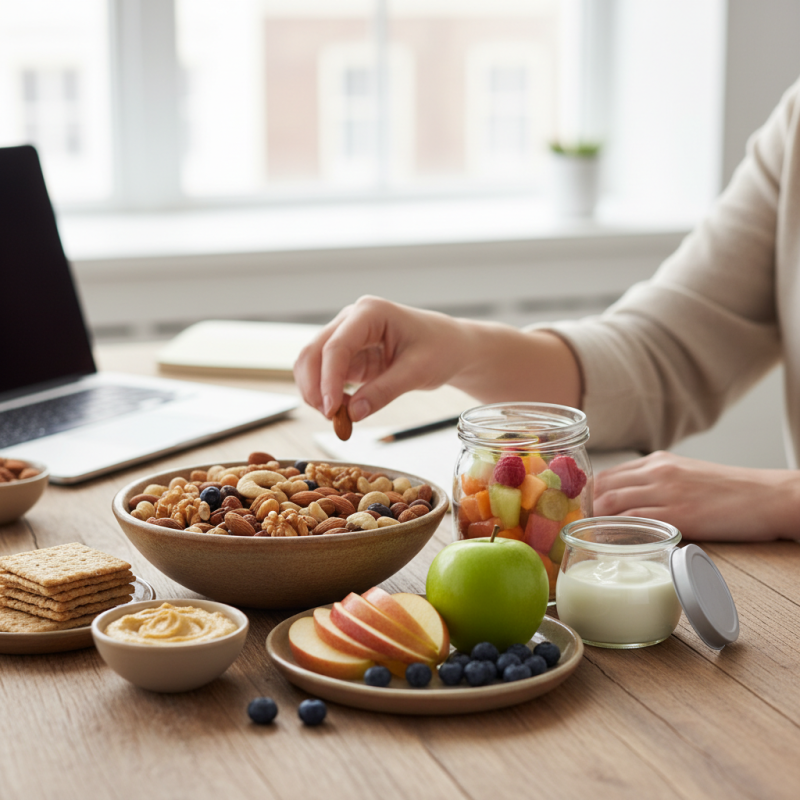
Healthy snacking is essential for maintaining energy levels throughout the day. Choosing the right snacks can help you avoid energy crashes. Snacks like fruits, nuts, and yogurt provide nutrients and sustain you longer. These snacks can also curb cravings for unhealthy options.
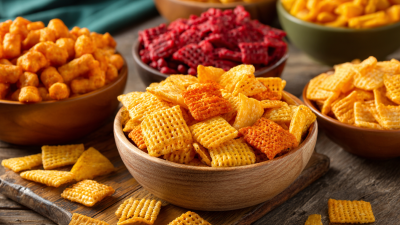
Yet, many people opt for processed snacks instead. These often contain high levels of sugar and unhealthy fats. This can lead to feelings of sluggishness and guilt. Reflect on what you often choose. Are your snacks nourishing or just convenient?
Exploring new snack options can be beneficial. Try making your own trail mix or hummus. Keeping healthy snacks within reach can prevent poor choices. Remember, small changes in snacking habits can lead to better health overall. Consider what you consume daily and how it affects you.
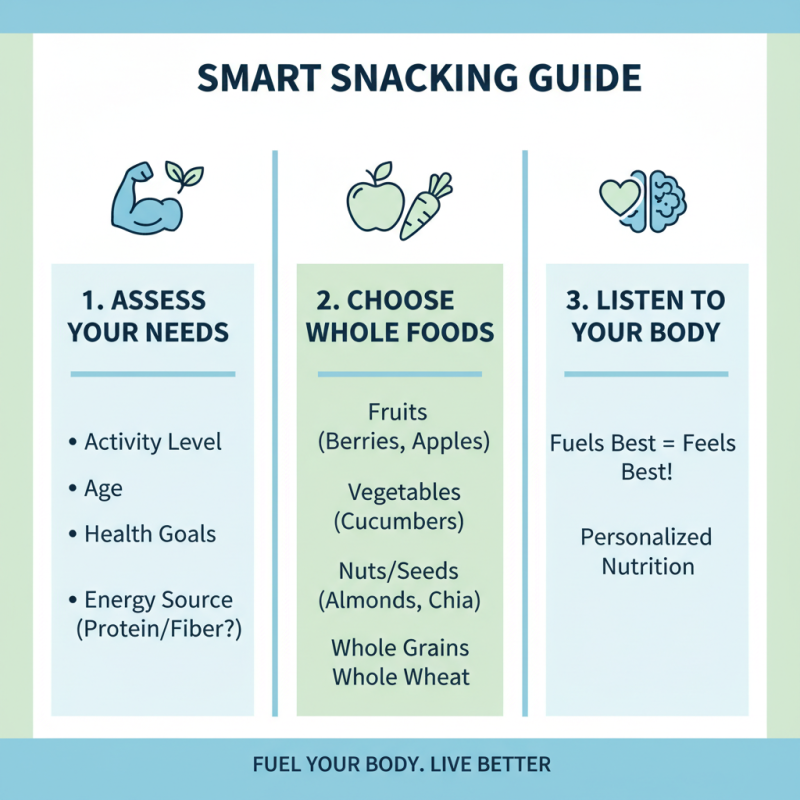
Choosing healthy snacks requires understanding your nutritional needs. Everyone's requirements differ based on activity levels, age, and health goals. Start by assessing what fuels your body best. Do you need more protein for energy? Or perhaps fiber for digestion? Focus on whole foods like fruits, vegetables, nuts, and whole grains.
Tips for snacking:
1. Keep snacks colorful. A variety of colors often means a variety of nutrients.
2. Stay mindful of portion sizes. Even healthy snacks can lead to weight gain if consumed in excess.
3. Prepare snacks in advance. This way, you'll avoid grabbing unhealthy options when hunger strikes.
Listen to your body and adjust accordingly. Sometimes, the healthiest choice isn't the most convenient one. It might require extra effort, like chopping veggies or making a quick smoothie. Acknowledge that not every snack will hit the mark. Learning takes time and patience, and snacking habits can be re-evaluated. Small changes can lead to significant improvements in your overall wellness journey.
Choosing healthy snacks can be challenging. It’s easy to grab something sugary or salty. But a few simple guidelines can help you. Look for snacks that are high in protein. Nuts, yogurt, and hard-boiled eggs are great options. They keep you full longer and reduce cravings.
Fiber is another key factor. Snacks packed with fiber support digestion and provide lasting energy. Fruits and vegetables are excellent sources. Think carrot sticks, apple slices, or berries. These choices are satisfying and low in calories. Remember to consider portion sizes. Even healthy snacks can lead to overeating.
Don’t overlook hydration. Sometimes we confuse thirst with hunger. Drinking water can curb unnecessary snacking. When you feel hungry, pause for a moment. Ask yourself if it’s true hunger or just a habit. Mindful eating can improve your snack choices.
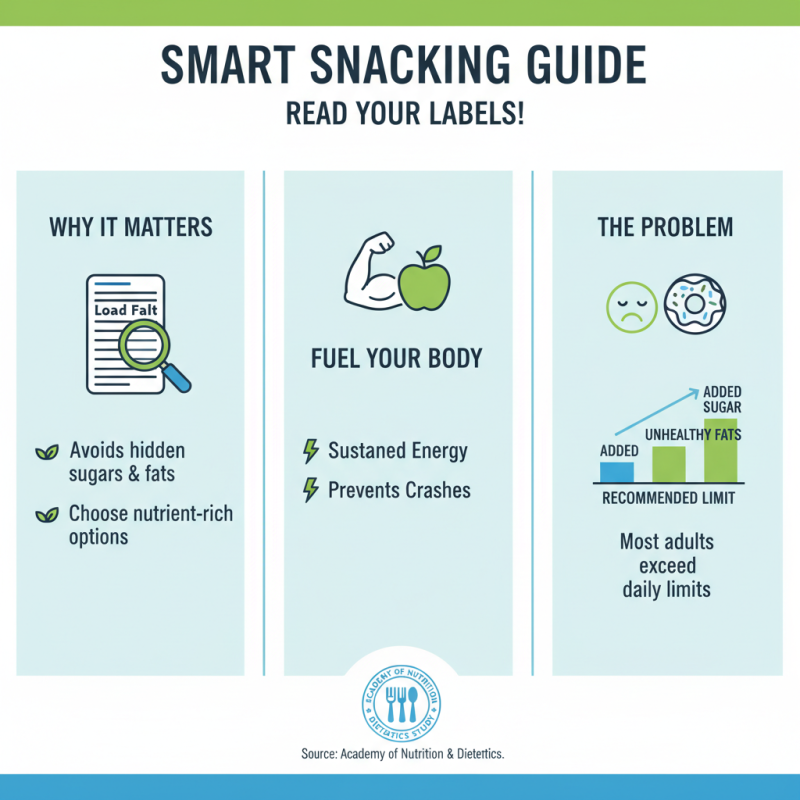
When selecting snacks, reading labels is crucial. Many people overlook this step and miss key information. Low-calorie, nutrient-dense options are essential for maintaining energy levels. A study from the Academy of Nutrition and Dietetics indicates that most adults consume more than the recommended daily intake of added sugars and fats. This often leads to choosing unhealthy snacks.
Look for labels that highlight fiber content. Foods rich in fiber help you feel full longer. The Dietary Guidelines for Americans suggest aiming for at least 25 grams of fiber each day. Additionally, check for protein. High-protein snacks can be satisfying and beneficial for muscle maintenance. The Protein Research Foundation notes that protein aids in appetite control.
Many packaged snacks may present a facade of being healthy. They often contain hidden sugars or unhealthy fats. An analysis by the Food Marketing Institute revealed that 77% of consumers believe snacks labeled “healthy” are good for weight management, but many are misled. This emphasizes the importance of scrutinizing ingredient lists. Consider opting for whole foods. They often provide better nutrient profiles and fewer unhealthy additives.
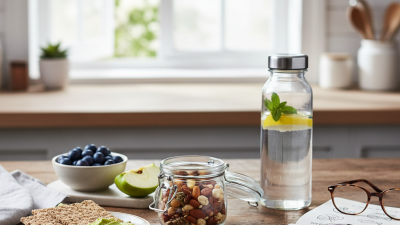
Preparing healthy snacks at home can save time and boost your energy throughout the day. Start by choosing whole ingredients. Fresh fruits, nuts, and vegetables are excellent base options. Keep it simple. You might slice cucumbers and carrots for quick dipping. Or, mix nuts with dried fruits for a tasty trail mix.
Storing these snacks properly is key. Use clear containers to see what you have. Your fridge can hold cut-up veggies, while your pantry can store nuts. Consider portioning snacks into bags. This way, you can grab them easily. However, be careful not to mindlessly take too many. It’s easy to overindulge when snacks are right in front of you.
Reflect on your cravings. Sometimes, we reach for snacks out of boredom, not hunger. Acknowledge when you're truly hungry. Also, remember that preparing snacks takes effort; don't rush it. Perfecting your routine may take time. Adjust as needed. Healthy snacking can become a beneficial part of your day with some practice.
| Snack Type | Benefits | Preparation Method | Storage Tips |
|---|---|---|---|
| Fresh Fruits | Rich in vitamins and minerals, low in calories. | Wash and slice as needed. Pair with nut butter. | Store in the refrigerator in a breathable container. |
| Greek Yogurt | High in protein and probiotics. | Serve plain or add nuts and fruit for flavor. | Keep sealed in the fridge; consume by expiration date. |
| Nuts and Seeds | High in healthy fats, protein, and fiber. | Mix different types for a trail mix. Roast for flavor. | Store in an airtight container in a cool, dark place. |
| Vegetable Sticks | Low calories, high in vitamins and minerals. | Slice carrots, bell peppers, and cucumbers. Serve with hummus. | Store in water in the fridge to keep crisp. |
| Whole Grain Crackers | Good source of fiber and complex carbohydrates. | Pair with cheese or avocado for a balanced snack. | Keep in a cool, dry place; seal tightly after opening. |