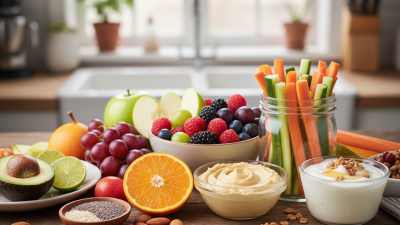
In today's fast-paced world, finding healthy snack options is crucial for maintaining a balanced diet. Many people struggle with this. We often pick convenience over nutrition. Snacks can be both tasty and nourishing if chosen wisely.
Healthy snack options come in various forms. Fresh fruits, vegetables, and nuts provide essential nutrients. However, not all snacks are created equal. It is easy to grab a candy bar or chips. These choices may satisfy hunger temporarily, but they lack essential vitamins and minerals.
Exploring better snack alternatives can lead to improved health. Consider preparing snacks in advance. A few sliced veggies or a handful of almonds can make a difference. Reflecting on our snack choices is important. Are we fueling our bodies, or simply satisfying cravings? Making intentional choices can transform our eating habits.
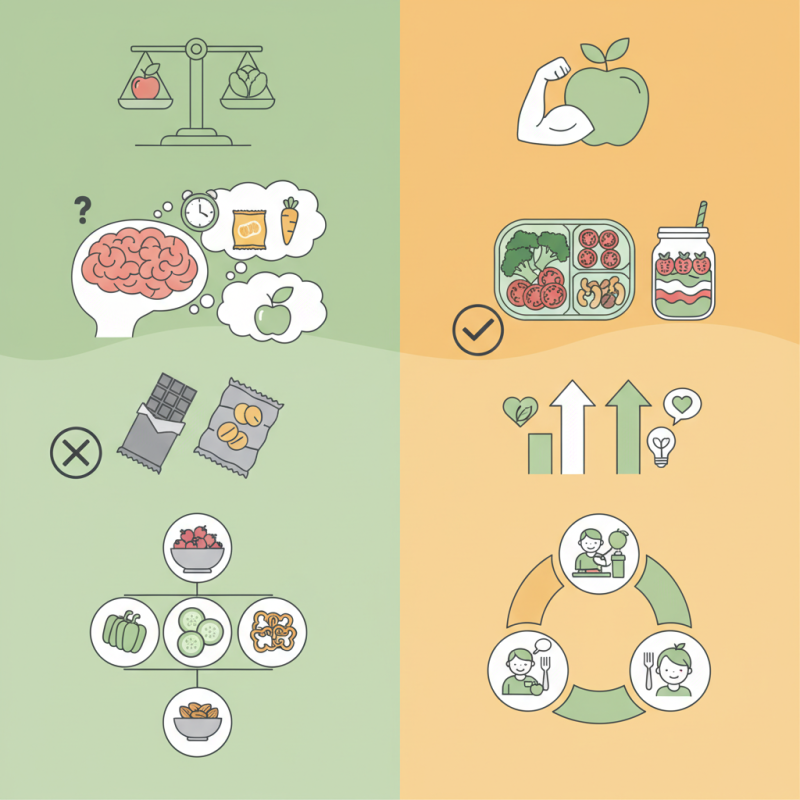
A balanced diet is crucial for overall health. It provides the necessary nutrients for our bodies. These nutrients include proteins, carbohydrates, fats, vitamins, and minerals. Each one plays a significant role in maintaining bodily functions. Without them, the body can struggle. Lack of nutrients can lead to fatigue, weakened immune systems, and other health issues.
Eating a variety of foods is key. Fresh fruits and vegetables should be daily staples. Whole grains like brown rice and oats are essential as well. Lean proteins from sources like beans and nuts promote muscle health. However, many people often overlook the importance of hydration. Water is vital for every metabolic process. Often, we forget to drink enough.
Making healthy choices can be challenging. Temptation from junk food and unhealthy snacks lurks everywhere. It’s easy to grab a quick sugar fix instead of a nutritious option. Reflection on these choices can improve awareness. Planning meals and snacks ahead may help maintain a balanced approach. Remember, consistency is more important than perfection.
This chart displays the popularity of various healthy snack options that contribute to a balanced diet. As illustrated, nuts and fruits top the chart, showcasing their acceptance and nutritional value.
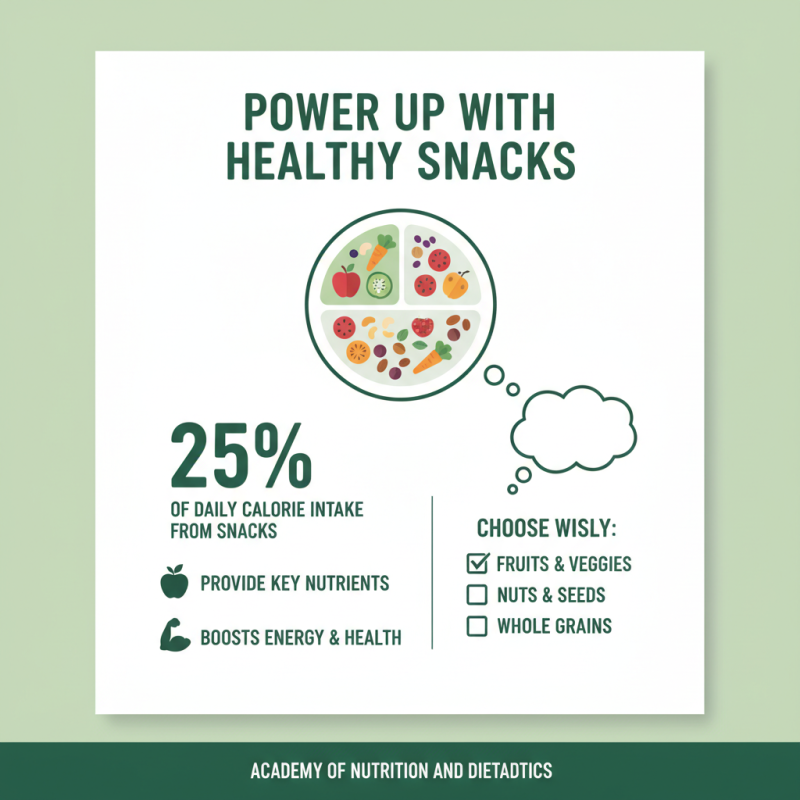
Healthy snacks are essential to a balanced diet. They provide key nutrients that our bodies need. According to a report by the Academy of Nutrition and Dietetics, snacks can make up nearly 25% of our daily calorie intake. Choosing the right snacks is crucial for maintaining energy and supporting overall health.
Nutrient-dense snacks can include fruits, nuts, and whole grains. For example, almonds are high in healthy fats and protein. An ounce of almonds provides about 6 grams of protein, which aids in muscle repair. Dark chocolate, with a cacao content of over 70%, is also a rich source of antioxidants. These compounds help reduce inflammation and promote heart health.
**Tips:** Keep fresh fruit visible in your kitchen. It's easy to grab when you're hungry. Opt for whole grain crackers instead of refined options. They offer more fiber and nutrients. Don’t forget to consider portion sizes; even healthy snacks can lead to excess calories if consumed mindlessly. Balancing your snacks with proper nutrients can be a powerful step toward improved health.
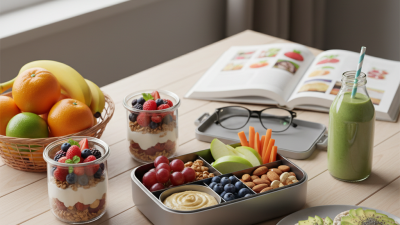
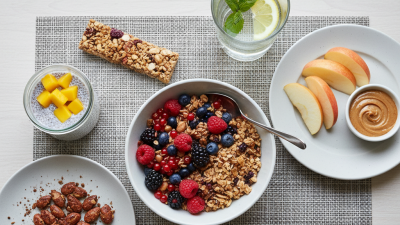
Healthy snacking can be enjoyable and nutritious. Fruits, nuts, and seeds provide excellent options for a balanced diet. Fruits like apples and bananas are simple yet satisfying. They are rich in vitamins and add natural sweetness to your day. Consider snacking on berries as well; they are low in calories but packed with antioxidants. Fresh fruit is always a refreshing choice.
Nuts offer a great mix of healthy fats and protein. Almonds, cashews, and walnuts make for crunchy treats. A handful can curb hunger and keep your energy up. However, portion control is vital. They are high in calories, so it’s easy to overindulge. Seeds, such as pumpkin and sunflower seeds, are excellent additions too. They provide essential minerals and a delightful crunch.
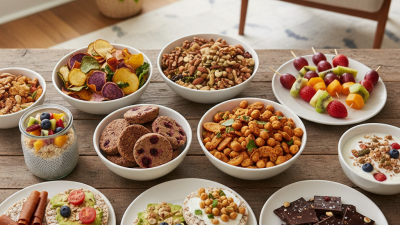
These snack options should be a part of your daily meals. Each choice has its own benefits. Explore different combinations to keep things interesting. Maybe add a few pieces of dried fruit to your nut mix. While healthy snacks can enhance your diet, remember to keep it balanced. Enjoying treats mindfully is an essential part of a healthy lifestyle.
| Snack Type | Calories (per serving) | Key Nutrients | Health Benefits |
|---|---|---|---|
| Apple Slices | 95 | Fiber, Vitamin C | Boosts immunity, aids digestion |
| Almonds | 164 | Healthy fats, Vitamin E | Heart health, skin health |
| Carrot Sticks | 50 | Beta-carotene, Fiber | Promotes eye health |
| Chia Seeds | 58 | Omega-3s, Fiber | Supports heart health, aids weight loss |
| Banana | 105 | Potassium, Vitamin B6 | Regulates blood pressure |
| Walnuts | 185 | Omega-3s, Antioxidants | Improves brain function |
| Greek Yogurt | 100 | Protein, Probiotics | Aids digestion, strengthens bones |
| Mixed Berries | 70 | Vitamins, Fiber | High in antioxidants |
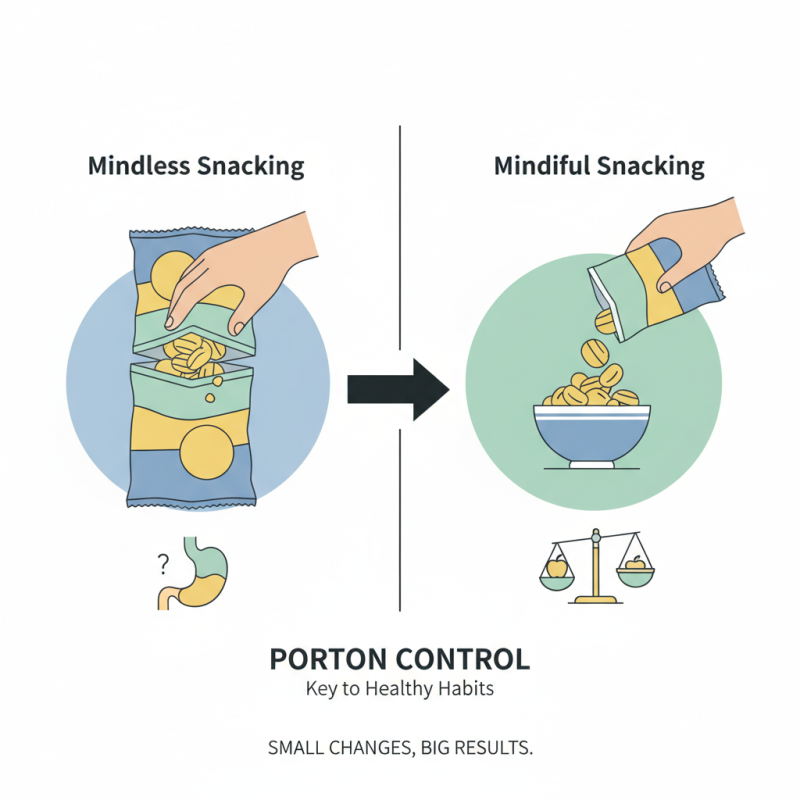
Portion control plays a crucial role in healthy snacking, especially when it comes to weight management. Simply grabbing a bag of chips can lead to overeating. Instead, portion out a serving into a bowl. This small act encourages mindfulness and helps you enjoy your snack while controlling your intake.
Many people underestimate the importance of portion sizes. A handful of nuts might seem harmless, but it can quickly become an entire bag's worth. Try using smaller plates or containers to make your servings look larger. This visual trick can help satisfy your cravings without going overboard.
Tips: Consider measuring snacks at home. Use a scale or measuring cups for accuracy. Keeping snack portions consistent can help establish better habits. When out, choose smaller sizes. While it feels like a treat, it could help manage your overall intake. Reflect on how often you snack mindlessly during movies or work. It might be time to reassess those habits. Small changes today can lead to better choices tomorrow.
When evaluating healthy snack options, reading nutritional labels is crucial. Many snacks claim to be healthy, but not all live up to their promises. A study from the Food & Nutrition Science journal found that misleading claims can make choices confusing. For instance, snacks labeled "low-fat" may have higher sugar levels, impacting overall health. Always check serving sizes. A single serving might be smaller than expected.
Tips: Focus on the first five ingredients listed. If sugar is near the top, reconsider. Aim for snacks with whole foods. Nuts, seeds, or fruits provide essential nutrients. The CDC recommends that snacks should complement a balanced diet, not replace meals.
Many snacks are marketed as health-oriented but can contain hidden calories. It's easy to overlook portion sizes. Research indicates that mindful eating can reduce overall consumption. Don't just grab a snack; think about the nutrients it offers. A little awareness can lead to better choices.